Ready to rip through walls? Which recip saw saves your arms (and sanity) in 2025?
Demolition shouldn’t feel like medieval torture. You’ve felt the vibration, the numb hands, the aching shoulders after one long tear‑out day.
This roundup shows you saws that actually make the job easier. You’ll find low‑vibration powerhouses for pros and compact cordless options for tight jobs. Simple. Practical. Time‑saving.
Top Picks


Makita JR3070CT AVT Anti-Vibration Recip Saw
You benefit from a very powerful saw that keeps vibration to a minimum thanks to Makita’s AVT counterbalance system. It’s built for heavy demolition work where control and user comfort matter over long shifts.
Overview
You’re looking at a professional-grade reciprocating saw that was engineered to cut hard and reduce the wear on your hands. The JR3070CT’s Anti‑Vibration Technology (AVT) and 15‑amp motor make it ideal for repetitive demolition and demanding cutting tasks.
Key features you'll use daily
These combine to give you fast throughput on jobs like cutting cast iron, framing, and long demolition sessions while decreasing hand and arm fatigue. The AVT system is the real differentiator — you’ll notice steadier control compared with comparable cordless or non‑AVT corded saws.
Practical considerations
Because it’s built for power and durability, this saw is heavier; if you frequently work above your head or need a lightweight tool for quick cuts, consider a compact model for those tasks. But when performance and lower vibration are priorities, this Makita is one of the best choices in its class.
DEWALT 12A 4-Position Reciprocating Saw
You get a powerful, reliable corded saw that balances speed and control for long demolition sessions. Its 4-position blade clamp and 12‑amp motor make it flexible for flush cuts and heavy materials without sacrificing durability.
Overview
You’re looking at a workhorse built for sustained demolition and heavy cutting tasks. The DWE305 combines a 12‑amp motor with a 1-1/8" stroke and up to 2,900 SPM, so it moves material quickly while giving you enough control for accurate cuts.
Key features and what they mean for you
These features mean you can chop through framing, plumbing, and dense material without swapping tools, and you can position the blade for flush or awkward cuts easily. The tool’s weight helps damp vibration, which many users prefer during heavy use.
Practical insights and limitations
You’ll appreciate the consistent power during long jobs—this is a corded saw meant to live on the jobsite or in your shop. If you often work overhead or single‑handed in tight spaces, consider a lighter cordless option for those moments. Users praise its durability and control, but note the saw is noticeably heavier than compact models.
Final take
If you need a dependable, professional-grade reciprocating saw for demolition and heavy cutting, this model is a top pick. Expect strong performance, easy angle changes with the blade clamp, and a tool that will hold up to frequent use.
Metabo HPT CR13VST 11A Variable Speed Recip Saw
You’ll get a well-balanced corded saw that blends power, control, and convenience. The 11‑amp motor and thoughtful features (like a rafter hook and easy blade lever) make it a strong contender for pro and serious DIY use.
Overview
This Metabo HPT (formerly Hitachi) model aims to deliver balanced performance for professional and DIY users. With an 11‑amp motor, adjustable speed, and a 1-1/8" stroke, it handles a wide range of demolition and cutting tasks while remaining reasonably portable.
Handy features you'll use
The included rafter hook and carrying case are practical touches that improve jobsite efficiency. You can switch between smooth cuts and a more aggressive orbital action depending on whether you need finesse or rapid material removal.
Practical recommendations
For mixed professional work — framing, cutting pipes, and moderate demolition — this saw is a smart choice. If you primarily need ultra-lightweight or one‑handed cutting, look at compact cordless options; for high-end demolition power, consider the highest‑amp professional corded saws. Otherwise, this Metabo HPT is a balanced, reliable option.
BOSCH RS325 Compact 12A Reciprocating Saw
You get a light, compact corded saw that still packs a 12‑amp punch — great when you need power without a bulky tool. Its short length and favorable power-to-weight ratio make it excellent for tight or overhead work.
Overview
You’ll appreciate this model when you need a corded reciprocating saw that’s easier to handle in confined spaces. The RS325 brings 12 amps of power in a compact 17.8" body, which helps reduce fatigue during extended overhead or awkward‑angle cutting.
Useful features and performance
On real jobs, that compact form factor is a big advantage: you can fit between studs, work on scaffolding, and cut overhead with less strain. It’s a great middle ground if you want corded power without lugging a heavy full-size demo saw.
Who should pick this
If you’re a pro or serious DIYer who needs a dependable, compact corded saw, this Bosch gives you strong value for money. It won’t replace the highest‑end, vibration‑reduction flagship saws, but for everyday demolition and remodeling tasks it’s an excellent, practical choice.
Milwaukee M18 Hackzall Compact Recip Saw
You’ll enjoy a compact, highly maneuverable saw that excels in tight spots and overhead work. Its one‑handed design and anti-vibration handle reduce fatigue while still delivering surprisingly strong cutting performance for a bare tool.
Overview
You get a purpose-built compact reciprocating saw designed to work where larger saws can’t. The M18 Hackzall focuses on maneuverability and convenience — ideal when you need to work overhead, in tight framing spaces, or on light demolition tasks.
What stands out
In practice, this means you can cut branches, PVC, conduit, and small framing members quickly without wrestling a big tool. It’s particularly useful for electricians, landscapers, and homeowners who already have an M18 battery ecosystem.
Practical advice and trade-offs
If you already own M18 batteries, this saw becomes an immediate go-to for quick cuts and cleanup. For extended heavy-duty demolition you’ll want a full-size saw — this tool is optimized for accessibility rather than brute force. Keep a spare battery handy when you expect sustained cutting.
PORTER-CABLE 20V MAX Cordless Reciprocating Saw
You’ll get solid cordless convenience for yard work and light demolition without a contractor price tag. It’s a capable general-purpose saw for homeowners and occasional users who value portability and simple controls.
Overview
This Porter‑Cable delivers cordless flexibility at a homeowner-friendly price point. With a 3,000 SPM drivetrain and 1" stroke length, it’s geared toward yard cleanup, trimming, and occasional demolition where portability matters more than maximum cutting force.
What you’ll find useful
In practice, you’ll be able to clear branches, make quick framing cuts, and handle teardown tasks around the house without dealing with extension cords. Its contoured grip improves comfort on longer sessions, but it’s not built for pro‑level, all‑day demolition.
Trade-offs and tips
If you’re a frequent, heavy‑duty user, invest in a full‑size corded or pro cordless reciprocating saw. For typical homeowner jobs, buy an extra battery so you don’t interrupt work when a pack runs low — that’s the simplest way to get contractor‑like uptime from this tool.
BLACK+DECKER 20V MAX Cordless Reciprocating Saw Kit
You’ll appreciate a lightweight, easy-to-use kit that includes a battery and charger — great for homeowners who want an out‑of‑the‑box solution. It performs well for pruning, light demolition, and general maintenance tasks around the property.
Overview
This Black+Decker kit is built for homeowners who want a ready-to-go cordless reciprocating saw. With a 20V battery and included charger, you can start cutting right away without buying extra components.
Features that matter for home use
Because it’s packaged as a kit, you’ll find it handy for trimming branches, cutting pipe, or tearing out a small section of drywall. The included battery is convenient, but plan on a spare pack for extended projects.
Who should buy it
If you’re an occasional user or need a simple cordless solution for yard and home cleanup, this kit is a strong value. For full-time pros, a higher‑spec saw with longer runtime and more durability will be a better long‑term investment.
RYOBI ONE+ 18V Cordless Reciprocating Saw
You’ll get a surprisingly capable saw for casual demolition and yard work that pairs with the large ONE+ battery family. It’s lightweight, delivers good SPM, and is an economical choice if you already own Ryobi batteries.
Overview
You’re getting a DIY-friendly reciprocating saw that’s designed to be part of Ryobi’s ONE+ battery platform. It’s aimed at homeowners who want cordless convenience for pruning, light demolition, and general property maintenance.
Practical features you’ll use
On the job, the saw excels at cutting small trees, trimming branches, and tackling interior demolition tasks like cutting studs or pipes. Its compatibility with other Ryobi batteries makes it a cost-effective way to expand your toolset.
Tips and limitations
If you’re relying on it for repeated heavy cuts, plan for extra batteries and expect shorter life under sustained load. For occasional homeowner projects and portability, it’s an excellent, budget‑friendly option.
CRAFTSMAN V20 Compact Cordless Reciprocating Saw
You’ll appreciate a compact, lightweight saw that slips into tight areas and offers good speed for general tasks. It’s a practical tool if you want cordless convenience for framing, cutting studs, and yard work.
Overview
This Craftsman V20 is targeted at users who need a compact cordless saw for framing, renovations, and yard tasks. Its small footprint and 3,000 RPM speed make it easy to use in constrained environments like between studs or rafters.
What you’ll notice on the job
The compact body lets you cut flush or in confined spaces without wrestling a full‑sized saw. That makes it a great complement to a larger reciprocating saw rather than a complete replacement for heavy demolition.
Buying advice
This is a sensible pick if you already have a V20 battery ecosystem or want a small, handy saw for quick jobs. Add a spare battery for longer projects and pick blades appropriate to the material (demolition, wood, or metal) for the best results.
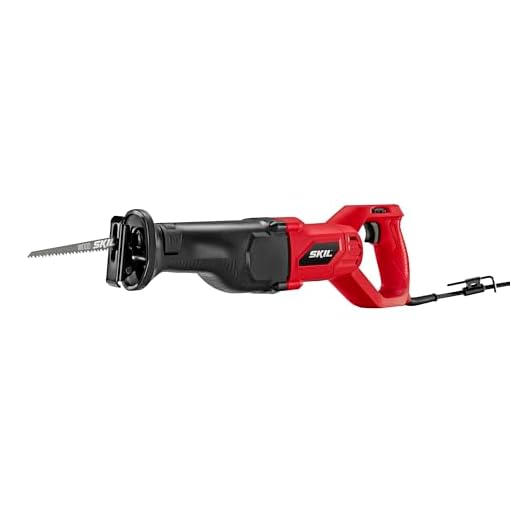
Skil 9206-02 7.5A Variable Speed Reciprocating Saw
You’ll get a reliable, budget-friendly corded saw that performs well on standard homeowner jobs. It’s a straightforward tool with useful features like tool-less blade changes and decent vibration control for the price.
Overview
This Skil model focuses on giving you the essentials at an accessible price. The 7.5‑amp motor is adequate for homeowner demolition, trimming, and general property maintenance without the premium cost of pro tools.
Practical features and usage
You’ll find it works well for cutting fence posts, trimming branches, and small interior demolition. The metal gear housing adds durability, and users report reliable day‑to‑day performance for non‑industrial workloads.
Final thoughts
If you need a solid corded reciprocating saw without spending a lot, this Skil delivers sensible performance. For frequent professional use or very heavy materials, step up to a higher‑amp, pro-level model.
Final Thoughts
Pick the Makita JR3070CT AVT if you do long, heavy demolition and value comfort. Its AVT counterbalance system dramatically cuts vibration, so you stay in control during extended shifts. Strengths: unmatched low vibration, raw cutting power, built for contractor‑level tear‑outs and long hours.
Choose the DEWALT 12A 4‑Position Reciprocating Saw if you need a versatile, hard‑hitting corded tool that handles flush cuts and tough materials without fuss. Strengths: powerful 12‑amp motor, 4‑position blade clamp for working at awkward angles, rugged reliability — ideal for framing removal, plumbing/electrical rough‑ins, and heavy site work.
If you want a cordless option for one‑handed, tight‑space work, consider the Milwaukee M18 Hackzall as a compact complement to the two corded heavyweights above.

